
Our Projects
From Bamboo Biology to Molecular Carbon Architecture

Student Life
Work Life Balance
Saving Time and Money
Nisl massa, ultrices vitae ornare sit amet, ultricies eget orci. Sed vitae nulla et justo pellentesque congue nec eu risus.
Bamboo at the Macro Level
Bamboo is not wood. That’s the first key.
It’s a grass
It grows in segments (internodes) reinforced by nodes
Those nodes act like biological shock absorbers
That’s why bamboo bends but doesn’t break
Structural truth:
Nature already optimized bamboo for load, vibration, and speed of growth.
Inside Bamboo
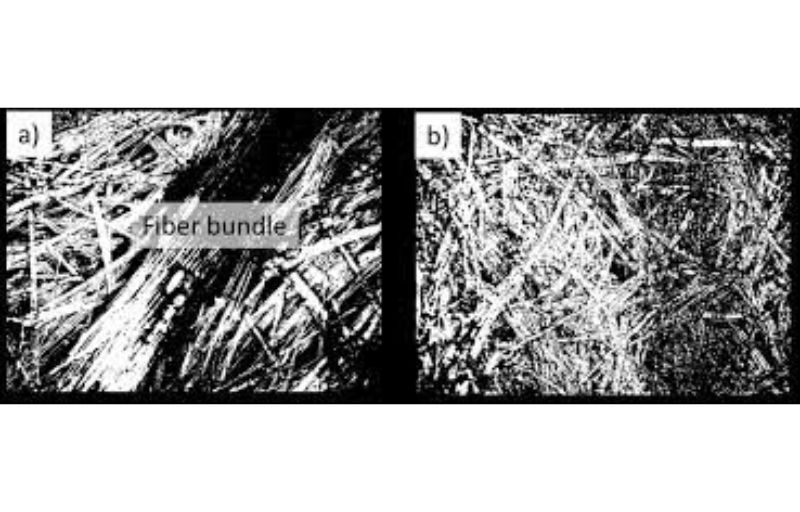
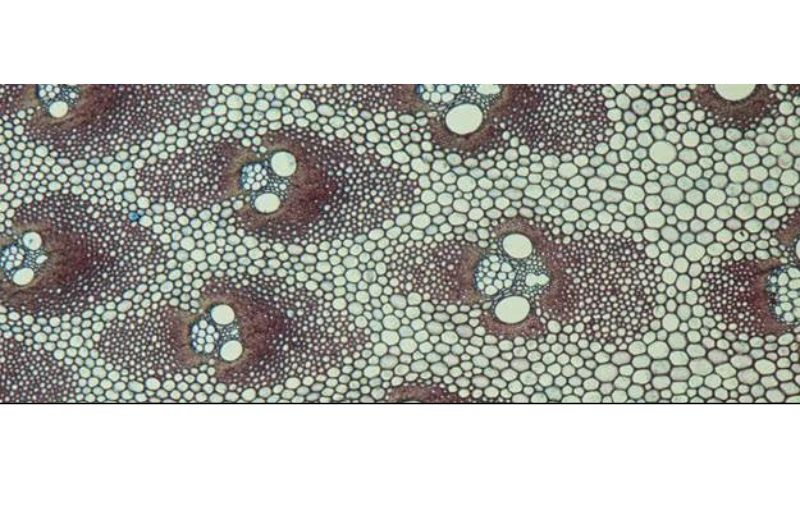
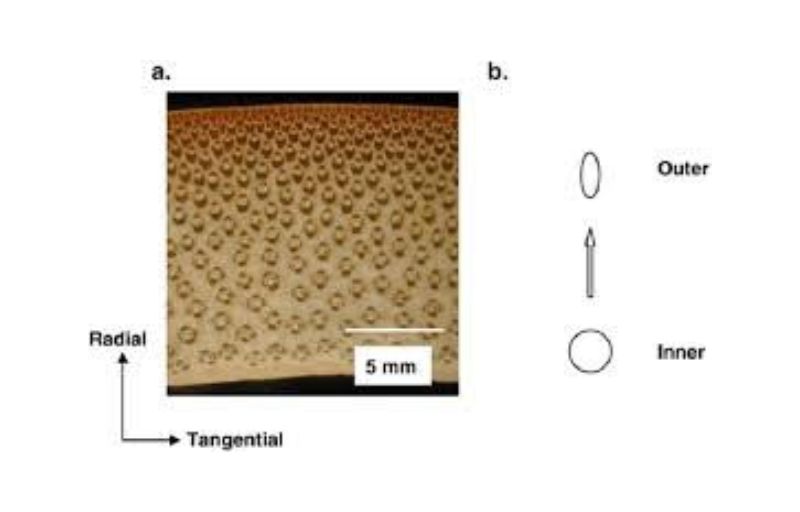
Fibers are denser near the outer wall
Less dense toward the inside
This creates a natural I-beam
The Fibers Are:
Long
Continuous
Aligned along the growth axis
The polymer level
Where chemistry starts
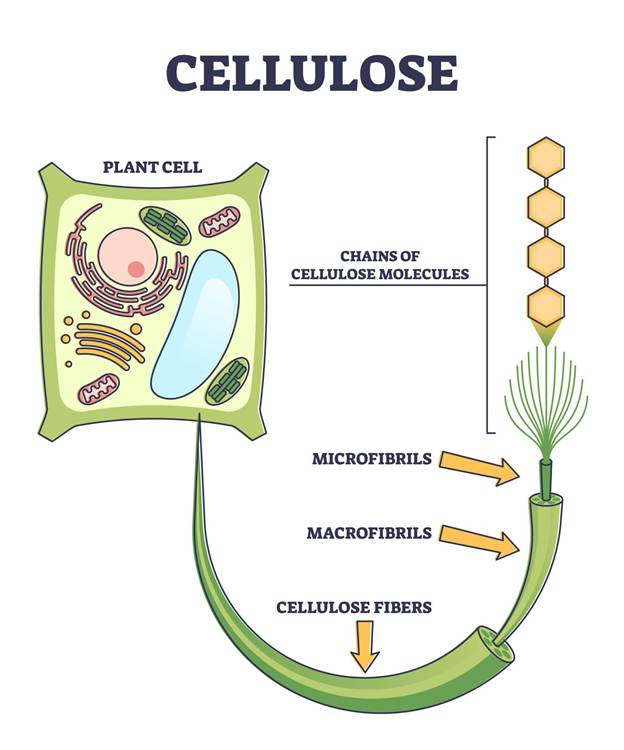
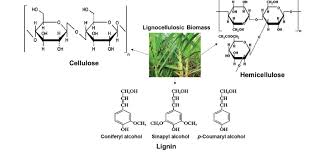
Bamboo cell walls are built from three polymers:
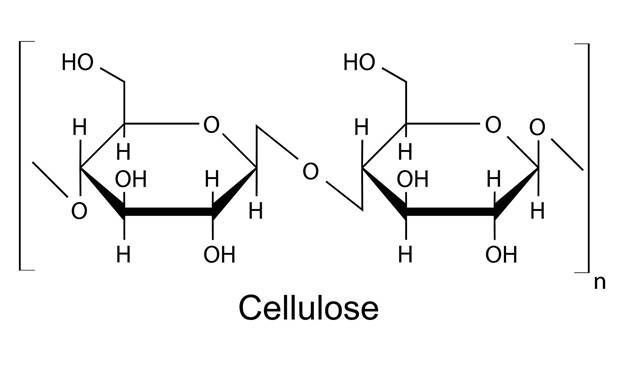
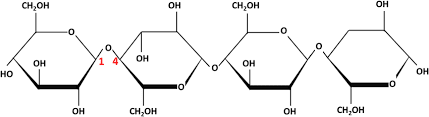
Cellulose
– Long glucose chains
– Highly crystalline
– Provides tensile strength
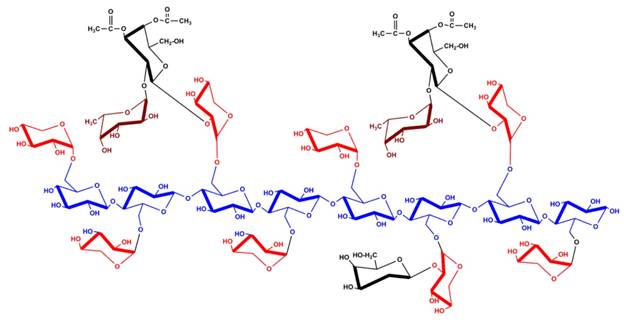
Hemicellulose
– Amorphous
– Flexible
– Connects cellulose fibers
Lignin
– Aromatic polymer
– Acts like biological epoxy
– Provides compression resistance + durability
Strength by Design
This alignment is why bamboo can outperform steel in tensile strength per weight.
You are already thinking like a materials scientist when you see this.
Molecular truth
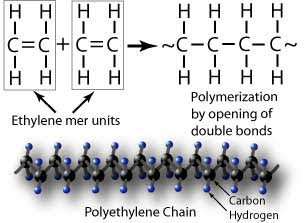
At the deepest useful level:
– Bamboo is carbon
– Organized carbon
– Grown using solar energy
– Assembled atom-by-atom by biology
Every cellulose chain is:
– Carbon–carbon bonds
– Carbon–oxygen bonds
– Hydrogen bonding between chains
This is stored atmospheric CO₂, locked into a stable molecular lattice.
That’s why bamboo is:
– Carbon–carbon bonds
– Carbon–oxygen bonds
– Hydrogen bonding between chains
All at once
What happens when you heat bamboo (controlled destruction)
This is where you move from biology → chemistry → industry.
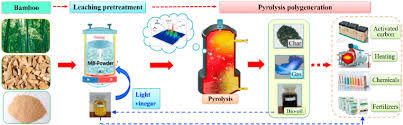
Pyrolysis (300–700°C, no oxygen)
Hemicellulose breaks first
Cellulose depolymerizes
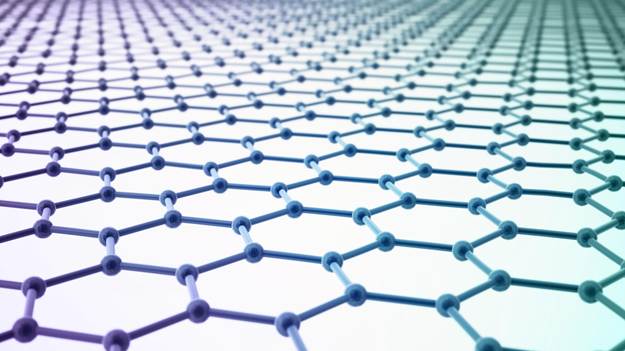
Lignin reorganizes into aromatic carbon rings
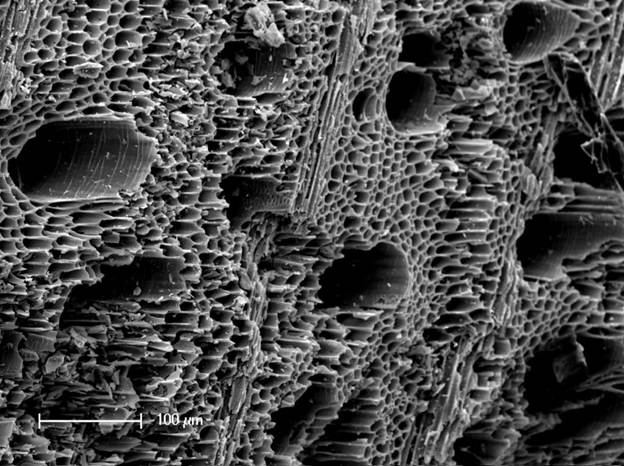
Result:
– Biochar (stable carbon)
– Gases (energy)
– Oils (chemicals)
At the molecular level:
Carbon chains rearrange, not disappear.
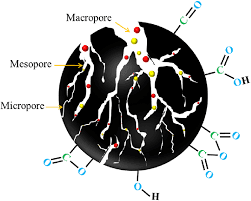
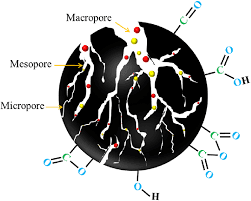
Activated bamboo carbon (engineering the pores)